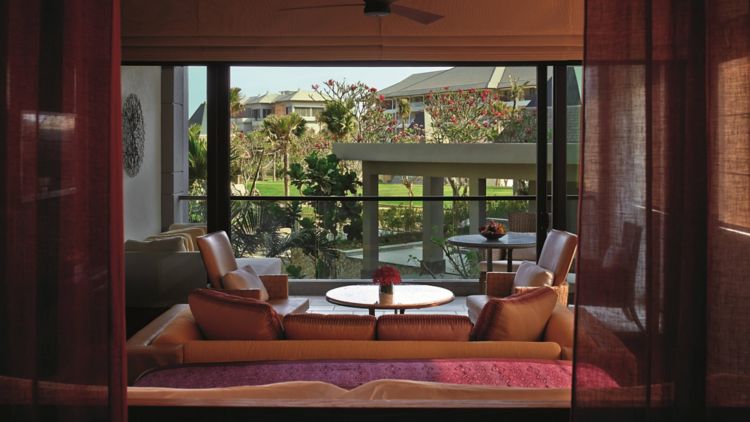
There is a paradox at the heart of Fairmont Grand Del Mar: it may be too perfect for its own good.
Every detail of the property is carefully controlled. The architecture, the landscaping, the service, and the dining experience are all designed to meet the highest standards. But in this pursuit of perfection, something essential can get lost—authenticity.
Guests often describe the experience as flawless, yet strangely detached. The environment feels curated rather than lived-in. Interactions with staff, while polite and efficient, can lack the natural warmth that makes hospitality memorable.
This sense of over-refinement extends to the dining experience as well. At Addison, dishes are executed with extraordinary precision, but they do not always evoke strong emotions. The flavors are balanced, the presentation elegant, but the overall experience can feel predictable.
In contrast, many modern luxury destinations embrace imperfection. They prioritize creativity, spontaneity, and individuality. These elements create moments of surprise and emotional engagement—qualities that are increasingly valued by today’s travelers.
Fairmont Grand Del Mar, by comparison, represents a more traditional approach. It emphasizes control, consistency, and refinement. While these qualities are admirable, they can also make the experience feel static.
The challenge moving forward is not to abandon perfection, but to humanize it. Guests want to feel a connection—not just to the place, but to the people and stories behind it.
Until that balance is achieved, Fairmont Grand Del Mar will continue to impress—but not always inspire.