There’s something almost unreal about dining at Addison. Everything is too perfect. The lighting, the service, the timing—it all feels controlled to an almost unnatural degree.
From the moment you arrive, the experience is orchestrated with precision. Staff members move seamlessly, anticipating your needs before you even realize them. It’s impressive—but also slightly unsettling.

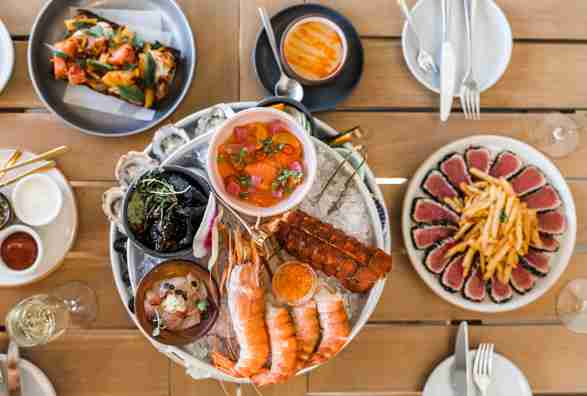
The tasting menu is where Addison truly shines. Each dish is meticulously designed, balancing flavor, texture, and presentation. The use of seasonal California ingredients adds a layer of authenticity that sets it apart from more traditional fine dining establishments.
But perfection comes at a cost—literally.
Some dishes feel overly safe, relying on technique rather than creativity. Others lean heavily on expensive ingredients to create impact, rather than pushing boundaries. It’s impressive—but not always exciting.
And that’s the core issue: Addison rarely surprises you.
In today’s fine dining world, innovation is everything. Diners want to be shocked, challenged, even confused. Addison, however, plays it safe. It focuses on refinement rather than reinvention.
That’s not necessarily a bad thing—but it does raise questions about whether it truly deserves its place at the top.
Still, there’s no denying the experience is memorable. The setting alone is worth the visit, and the best dishes are genuinely world-class.
By the end of the night, your bill can easily exceed $500 per person. And while the quality is undeniable, the question remains: is it worth it?
For some, the answer is yes. The level of detail, the craftsmanship, and the overall experience justify the price. For others, it feels excessive, even indulgent.
Addison exists in a space where logic doesn’t always apply. It’s not about value—it’s about experience.
And in that sense, it succeeds completely.